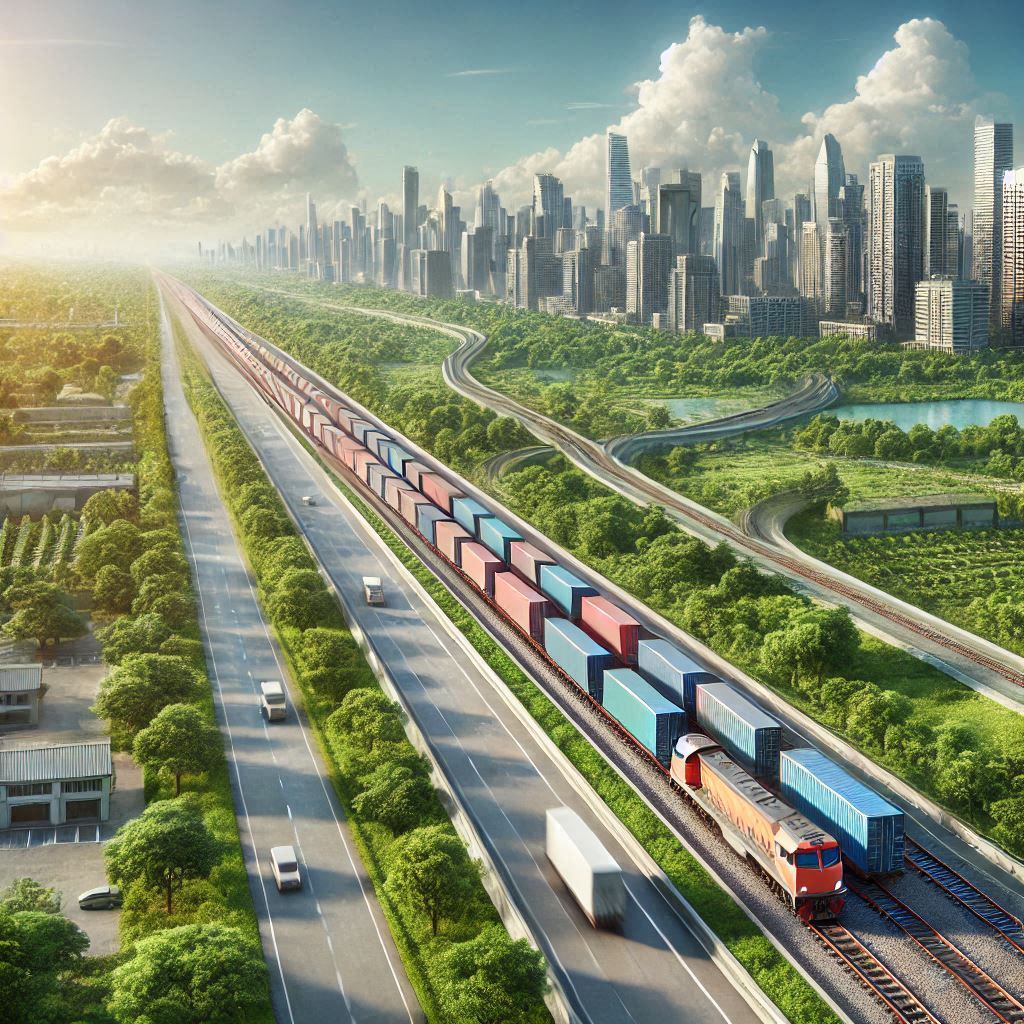
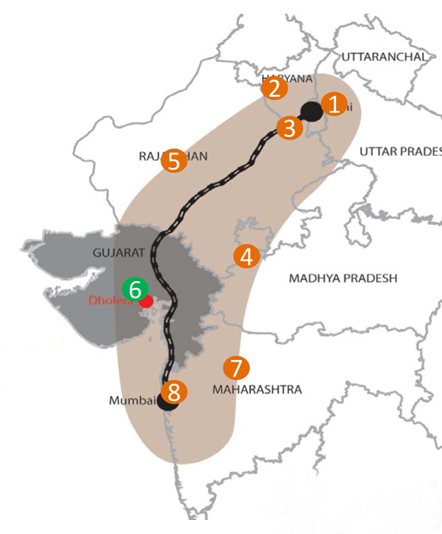
The Government of India is developing the Delhi Mumbai Industrial Corridor (DMIC), the first industrial corridor along the Western Dedicated Freight Corridor (DFC), which stretches between Delhi and Mumbai. The total length of the corridor is 1504 km, passing through Uttar Pradesh, Delhi NCR, Haryana, Rajasthan, Gujarat, and Maharashtra, starting at Dadri in Delhi NCR and ending at Jawaharlal Nehru Port (JNPT) near Mumbai.
This initiative spans across Uttar Pradesh, Haryana, Rajasthan, Madhya Pradesh, Gujarat, and Maharashtra following the route of the Western Dedicated Freight Corridor (DFC). Below are key projects under DMIC that are at different stages of development:
Significant progress has been made in the development of the Delhi Mumbai Industrial Corridor (DMIC) Project. Trunk infrastructure for the Integrated Industrial Township – Greater Noida (IITGN), Uttar Pradesh, and Integrated Industrial Township – Vikram Udyogpuri (IITVU), Madhya Pradesh, has been completed. Infrastructure for Dholera Special Investment Region (DSIR), Gujarat, and Shendra-Bidkin Industrial Area (SBIA), Maharashtra, is nearing completion.
Land allocation for DSIR, SBIA, IITGN, and IITVU has started. Companies have begun investing in these regions, with some investors already starting production. On 7 September 2019, the Hon’ble Prime Minister dedicated the Shendra Industrial Area (part of DMIC) to the Nation.
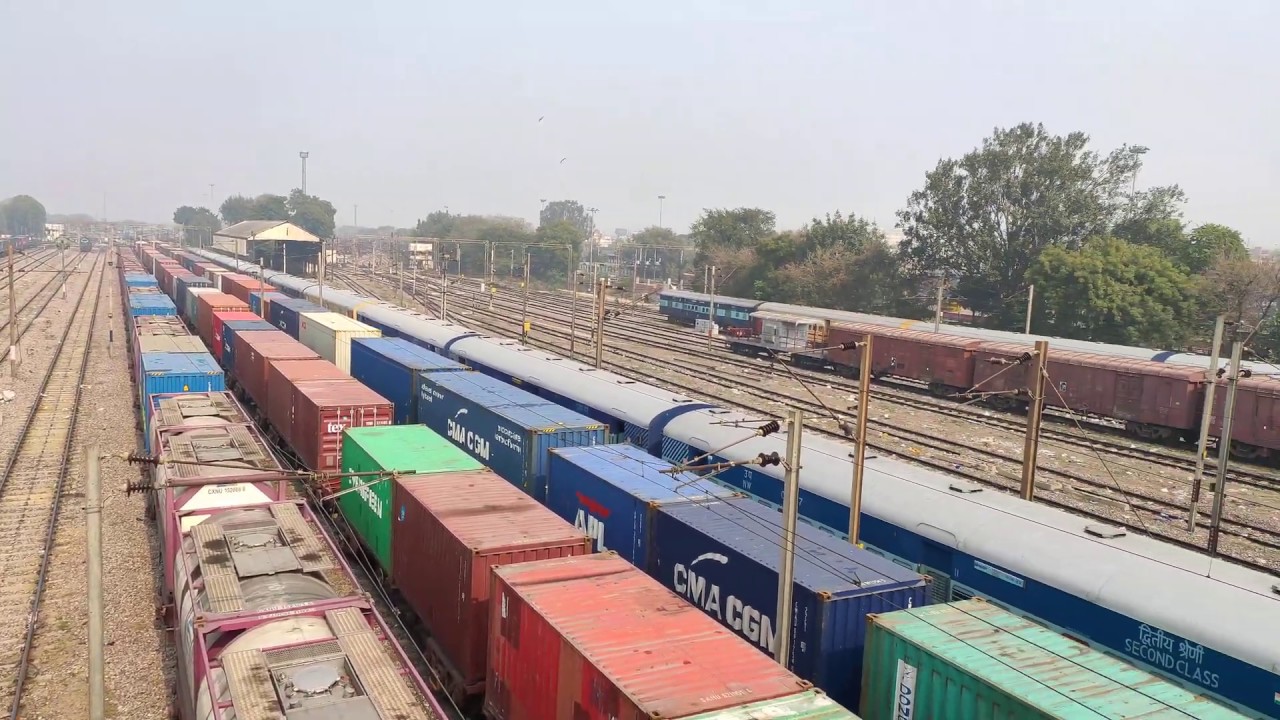
The Dedicated Freight Corridor (DFC) project is one of India’s largest and most ambitious infrastructure initiatives, designed to transform the nation’s freight transportation sector. Spanning over 1,483 kilometers, the DFC will create a dedicated railway network that will revolutionize the movement of goods across India.
This strategic project aims to increase the speed, efficiency, and capacity of freight transport, significantly contributing to India’s economic growth. By improving connectivity between industrial hubs, the DFC is set to reduce transportation costs and delivery times.
Logistics costs in India currently account for around 13–15% of GDP. The DFC is expected to reduce these costs by about 2–3%, making freight movement faster, more efficient, and more economical.
| Uttar Pradesh | 22 km (1.4%) |
| NCR of Delhi | 115 km (7.5%) |
| Haryana | 130 km (8.5%) |
| Rajasthan | 553 km (36%) |
| Gujarat | 565 km (36.8%) |
| Maharashtra | 150 km (9.8%) |
| Total | 1535 Kms (100%) |
| Complete Stretch of Western DFC | Stretch of Western DFC passing thru Gujarat | |
|---|---|---|
| DFC Length | 1535 Kms | 565 Km |
| Project Cost | Rs. 30,327 Crs. | Rs. 12,000 Crs. |
The Dedicated Freight Corridor (DFC) is poised to significantly contribute to India’s economic growth by adding between 1.5% to 2% to the country’s GDP over the next five years, thanks to improved logistics efficiency and reduced transportation costs.
As the backbone of India’s logistics infrastructure, the DFC will also foster the expansion of Multimodal Logistics Parks (MMLPs), Special Economic Zones (SEZs), and industrial corridors like the Delhi-Mumbai Industrial Corridor (DMIC), boosting the logistics industry.
Environmentally, the DFC will contribute to sustainable transport by shifting freight from road to rail, reducing road congestion and lowering carbon emissions by 15–20%, while eliminating approximately 2 million trucks from the roads annually.